


Blog
Role of PLC, HMI & Robotics in Automation System Design

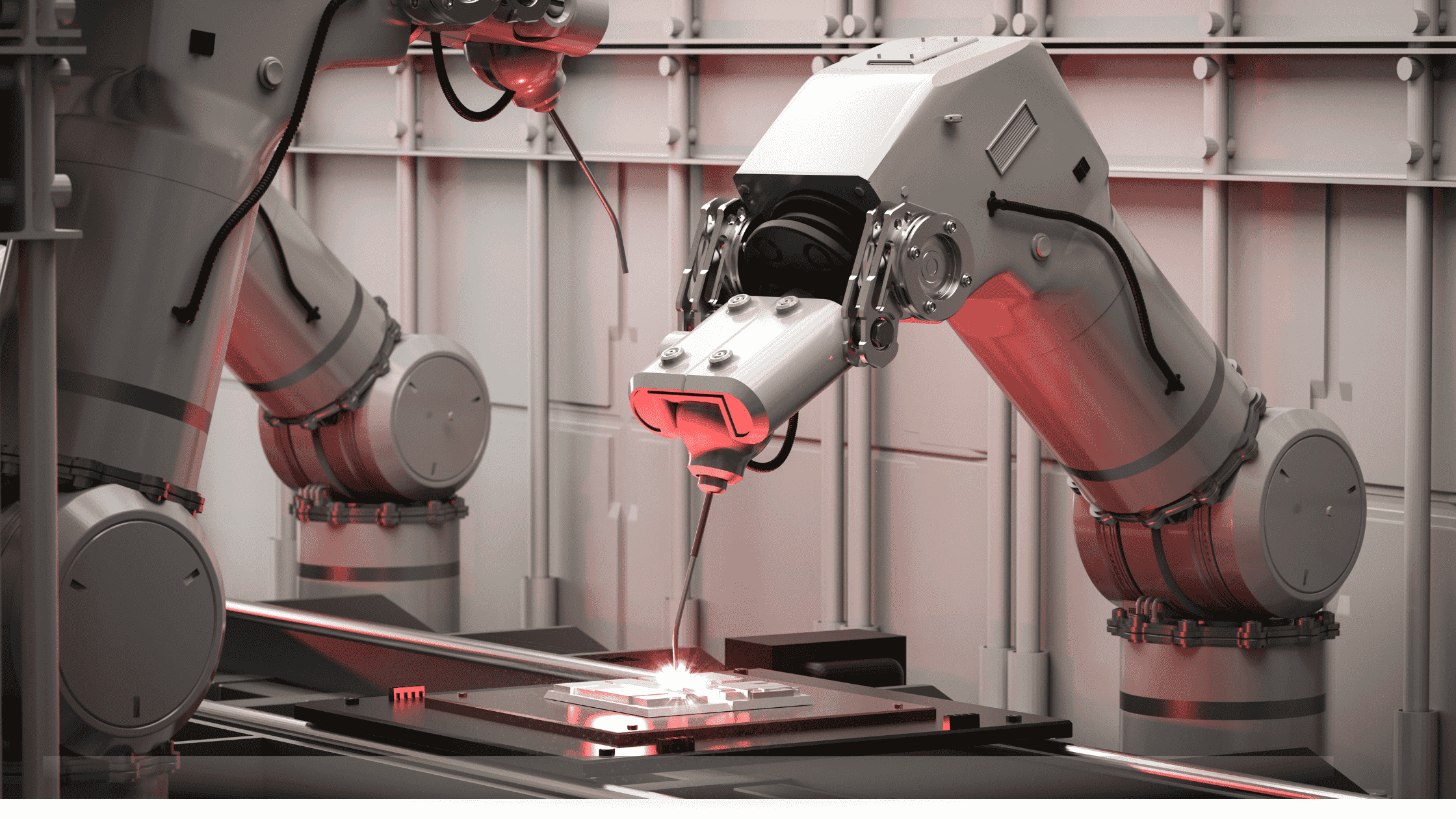
When people talk about custom automation system design, they often focus on the visible parts, machines moving, robots operating, systems running seamlessly. But what actually makes all of that work together is not just hardware. It’s the combination of control, communication, and coordination.
That’s where PLC, HMI, and robotics come in.
These three elements form the core of most modern automation systems. Each plays a distinct role, but their real value comes from how they work together. When designed correctly, they create a system that is not only efficient but also predictable, adaptable, and easy to manage over time.
Understanding their role is essential, not just for engineers, but for anyone involved in planning, evaluating or designing a custom automation systems.
Automation Systems Are Built on Coordination, Not Just Components
An automation system is not a collection of machines working independently. It’s a coordinated environment where every action is connected to another.
A conveyor doesn’t move randomly. A robot doesn’t pick without timing. A machine doesn’t operate without signals. Every action depends on logic, sequencing, and feedback.
PLC, HMI, and robotics form the backbone of this coordination:
- The PLC decides what should happen and when
- The robotics system executes physical tasks
- The HMI provides visibility and control for human interaction
When these three elements are aligned, the system behaves like a single, well-organized unit rather than disconnected parts.
PLC: The Decision-Making Core of the System
At the center of most automation systems sits the Programmable Logic Controller (PLC). It acts as the brain of the operation.
The PLC continuously receives input from sensors, evaluates conditions, and sends commands to machines, actuators, and robots. This happens in real time, often within milliseconds.
What makes PLCs critical in system design is not just their speed, but their reliability. They operate consistently under demanding industrial conditions, handling logic that ensures processes run in the correct sequence every time.
In practical terms, the PLC is responsible for:
- Coordinating machine operations
- Managing process timing and sequencing
- Handling fault conditions and recovery logic
Without a well-designed PLC structure, even advanced hardware cannot deliver consistent results.
Why PLC Design Impacts the Entire System
The way PLC logic is structured directly affects how easy the system is to operate, troubleshoot, and expand.
When PLC programs are overly complex or poorly organized, even simple issues can take longer to diagnose. On the other hand, clear and modular logic makes systems more transparent and manageable.
A strong PLC design considers:
- Clarity of logic flow
- Separation of functions
- Ease of future modifications
This becomes especially important as systems grow or change. A well-structured PLC doesn’t just control the system, it supports long-term scalability.
HMI: Turning Data Into Usable Information
If the PLC is the brain, the Human Machine Interface (HMI) is how people interact with that brain.
Automation systems generate a lot of data, machine states, alarms, performance metrics, and process variables. Without proper visualization, this data can become overwhelming or even useless.
The HMI translates this data into a format that operators can understand quickly. It shows what’s happening, highlights what needs attention, and allows users to make adjustments when necessary.
A well-designed HMI doesn’t just display information. It prioritizes clarity and usability.
Why HMI Design Is Often Underrated
Many automation systems perform well technically but struggle in day-to-day operation because of poor interface design.
If operators have to search through multiple screens, interpret unclear messages, or guess system status, efficiency drops. Small delays in understanding can lead to bigger delays in response.
Effective HMI design focuses on:
- Clear visualization of system status
- Simple navigation between functions
- Context-based alerts and messages
When operators can understand the system at a glance, response time improves, and operations become more stable.
Robotics: Bringing Precision and Consistency to Physical Tasks
While PLC and HMI handle control and visibility, robotics brings physical execution into the system.
Robots are used where precision, repeatability, and consistency are critical. They perform tasks such as handling materials, assembling components, or positioning parts with accuracy that remains stable over long production runs.
What makes robotics powerful in automation design is not just capability, but consistency. Once programmed and integrated properly, robotic systems perform tasks the same way every cycle, reducing variation and improving overall process reliability.
Robotics as Part of the System, Not a Standalone Element
A common mistake in automation design is treating robots as independent units. In reality, their effectiveness depends on how well they integrate with the rest of the system.
A robot needs to know:
- When to start and stop
- What condition the process is in
- How to respond to upstream and downstream changes
This coordination is handled through the PLC and supported by system logic.
When robotics is tightly integrated, it becomes a seamless part of the workflow rather than an isolated component.
How PLC, HMI, and Robotics Work Together
Individually, each element serves a purpose. Together, they create a complete automation ecosystem.
The interaction typically works like this:
The PLC processes input signals and determines the next action. It sends commands to machines and robotic systems. The robot performs the required task based on those instructions. Meanwhile, the HMI provides real-time feedback to operators, showing system status and allowing intervention when needed.
This continuous loop of input → decision → action → feedback is what keeps automation services running smoothly.
When this loop is designed properly, the system becomes predictable and easier to manage.
Design Considerations for Integration
Integrating PLC/HMI optimization techniques, and robotics requires careful planning during the design phase.
One of the key considerations is communication. All components must exchange data reliably and quickly. Delays or mismatches in communication can lead to synchronization issues.
Another factor is consistency in system structure. When control logic, interface design, and robotic programming follow a unified approach, the system becomes easier to understand and maintain.
Good integration doesn’t happen automatically. It comes from intentional design decisions that prioritize coordination over individual performance.
Flexibility and Future Expansion in Automation System Design
Automation systems rarely stay static. Production requirements change, new processes are introduced, and systems need to adapt.
The way robotics and PLC/HMI programming best practices are designed determines how easily the system can evolve.
Flexible design allows:
- Adding new machines or stations
- Modifying sequences without major rewrites
- Expanding system capabilities over time
When these elements are designed with scalability in mind, future changes become manageable rather than disruptive.
The Role of Standardization in Automation System Design
Standardization plays a major role in making automation system design easier to manage.
Using consistent naming conventions, structured logic, and uniform interface layouts reduces confusion. It also makes it easier for different teams to work on the system without needing to relearn everything.
Standardization doesn’t limit flexibility. It creates a foundation that supports it.
Common Design Challenges
Even well-planned systems can face challenges if these elements are not aligned properly.
Issues often arise when:
- PLC logic becomes overly complex
- HMI interfaces are cluttered or unclear
- Robotics are not fully synchronized with system flow
These challenges don’t usually come from lack of capability, but from lack of coordination in design.
Addressing them early ensures smoother operation after deployment.
Why This Trio Defines Automation Success
At a high level, automation success depends on three things:
- Clear decision-making
- Reliable execution
- Easy interaction
PLC, HMI, and robotics represent these three functions.
When they are designed as part of a unified system, automation becomes stable, efficient, and adaptable. When they are treated separately, even advanced systems can struggle to deliver consistent results.
Final Thoughts
Automation system design is not just about selecting the right components. It’s about creating a system where control, execution, and interaction work together seamlessly.
PLC, HMI, and robotics each play a critical role in this process. But their real strength lies in integration. When they are aligned through thoughtful design, automation systems become easier to operate, easier to scale, and more reliable over time.
For manufacturers, understanding this relationship is key. It shifts the focus from individual technologies to system-level thinking, and that’s where real value is created.