


Blog
PLC & HMI Programming Best Practices for Industrial Automation

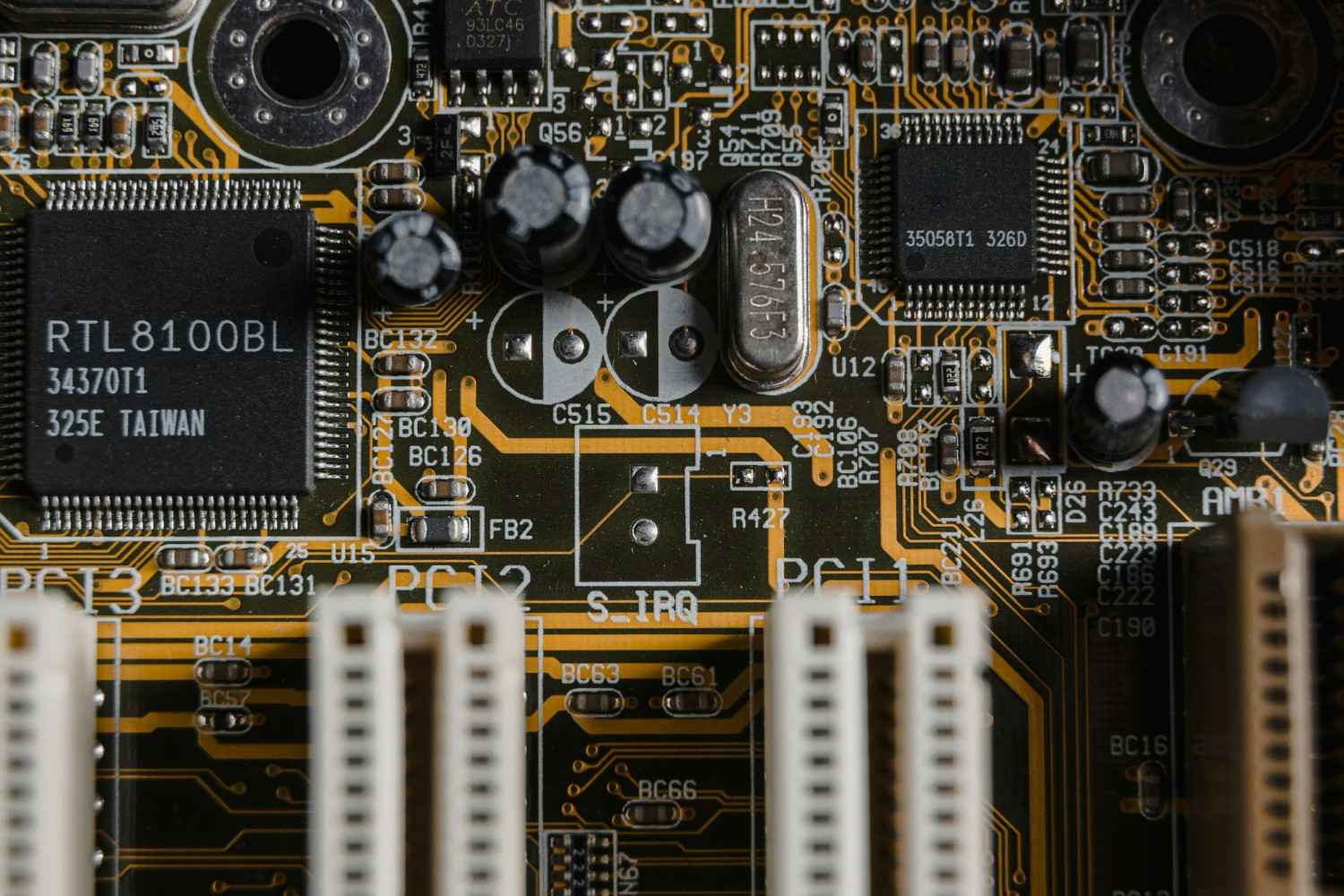
In any automation system, hardware gets a lot of attention. Machines move, robots operate, and systems come to life on the production floor. But what actually determines how smoothly everything runs is something less visible PLC and HMI programming.
Programming is what connects intent to execution. It defines how machines behave, how processes flow, and how operators interact with the system. When done well, it creates clarity, stability, and efficiency. When done poorly, even the best equipment can feel unpredictable and difficult to manage.
That’s why best practices in PLC and HMI programming are not just technical preferences. They are foundational decisions that shape how an automation system performs over its entire lifecycle.
Why Programming Quality Matters More Than It Seems
At first glance, programming may seem like a one-time effort—something completed during system development and rarely revisited. In reality, it influences everything from daily operations to long-term maintenance.
Clear, structured programming makes systems easier to understand. It reduces troubleshooting time, improves response to issues, and allows teams to adapt systems as requirements evolve. On the other hand, poorly structured code can slow down decision-making, increase downtime, and make even simple changes difficult.
Programming is not just about making the system work. It’s about making the system work consistently and predictably over time.
Start With Structure, Not Just Logic
One of the most important best practices in PLC programming is starting with a clear structure.
Instead of writing logic as a continuous block, effective programs are organized into sections that reflect how the system operates. Each function whether it’s controlling a motor, handling a sequence, or managing safety conditions should have a defined place.
This structured approach improves readability and reduces confusion when changes are needed later. It also allows different team members to understand the program without needing extensive explanations.
Good structure doesn’t limit flexibility. It supports it.
Keep Logic Clear and Easy to Follow
Complex systems don’t require complicated code. In fact, the opposite is usually true.
Clear and straightforward logic makes systems easier to operate and maintain. When conditions, sequences, and transitions are easy to follow, troubleshooting becomes faster and more reliable.
Clarity in logic often comes from:
- Using consistent naming conventions
- Breaking down processes into manageable steps
- Avoiding unnecessary nesting or overlapping conditions
When logic reflects how the process actually works, the system becomes more intuitive for everyone involved.
Design With Troubleshooting in Mind
No system operates without occasional issues. What matters is how quickly those issues can be identified and resolved.
Good PLC programming anticipates troubleshooting needs. It provides clear signals, organized status indicators, and meaningful fault conditions. Instead of leaving operators guessing, it guides them toward the source of the problem.
This doesn’t require adding complexity. It requires thoughtful design that considers how the system will behave under real conditions, not just ideal ones.
HMI: Make Information Instantly Understandable
While PLC handles control, the HMI defines how people interact with the system.
A well-designed HMI presents information clearly, without overwhelming the user. It shows what matters, when it matters, and in a way that supports quick understanding.
Operators should not have to interpret vague messages or navigate multiple screens to understand system status. The interface should communicate clearly and directly.
Effective HMI design focuses on:
- Visual clarity and consistency
- Logical grouping of information
- Clear distinction between normal operation and alerts
When information is easy to understand, response time improves, and operations remain stable.
Avoid Overloading the Interface
One common mistake in HMI design is trying to display too much information at once.
While it may seem helpful to include every detail, cluttered interfaces often create confusion. Important information gets lost, and operators spend more time searching than acting.
A better approach is to prioritize information based on context. Show essential data clearly, and allow deeper details to be accessed when needed.
This layered approach keeps the interface clean while still providing full visibility.
Standardization Across the System
Consistency plays a major role in both PLC and HMI programming.
When naming conventions, screen layouts, and logic structures remain consistent, the system becomes easier to navigate and understand. This is especially important in larger systems or facilities where multiple people interact with the automation.
Standardization reduces learning time, minimizes errors, and supports faster troubleshooting. It also makes future expansions easier, as new components can follow the same structure.
Consistency doesn’t limit creativity it creates a reliable framework for it.
Plan for Changes Before They Happen
Automation systems rarely remain unchanged. New products, process adjustments, and operational improvements often require updates to programming.
Best practices in PLC and HMI design include planning for these changes from the beginning. This means writing modular code, avoiding hard-coded values, and structuring programs so that updates can be made without affecting unrelated areas.
When systems are designed with change in mind, updates become manageable instead of disruptive.
Clear Communication Between PLC and HMI
The interaction between PLC and HMI should be seamless.
Data passed between the two should be structured logically, with clear naming and purpose. This ensures that what the HMI displays accurately reflects the system’s state.
Misalignment between control logic and interface design can lead to confusion. Operators may see outdated or unclear information, which affects decision-making.
Keeping communication clean and consistent ensures that both control and visibility remain aligned and helps in optimizing PLC/HMI performance.
Testing Beyond Ideal Conditions
Programming is not complete until it has been tested under real-world conditions.
While simulations and initial tests are important, actual production environments often reveal scenarios that weren’t anticipated. Variations in timing, input conditions, or operator interaction can expose gaps in logic or interface design.
Thorough testing helps refine both PLC logic and HMI behavior. It ensures that the system performs reliably not only when everything goes right, but also when conditions vary.
Documentation as Part of Programming
Documentation is often treated as a separate task, but it is closely tied to programming quality.
Clear documentation explains how the system is structured, how logic flows, and how interfaces are organized. It supports maintenance, training, and future modifications.
Well-documented systems are easier to understand and less dependent on individual knowledge. This reduces risk and improves long-term system stability.
Balancing Detail With Simplicity
Good programming finds the balance between detail and simplicity.
Too little detail can make systems hard to control or monitor. Too much detail can make them difficult to understand. The goal is to provide enough information and control without introducing unnecessary complexity.
This balance is achieved through thoughtful design, clear structure, and continuous refinement.
Common Pitfalls to Avoid
Many programming challenges arise from avoidable decisions.
Overcomplicated logic, inconsistent naming, and cluttered interfaces can all reduce system effectiveness. These issues often don’t appear during initial testing but become more noticeable during daily operation.
Avoiding these pitfalls requires discipline in design and a focus on clarity rather than complexity.
Why Best Practices Matter Over Time
Best practices are not about meeting a standard during development. They are about ensuring the system continues to perform well over time.
As systems grow, change, and evolve, the quality of programming determines how easily they can adapt. Good practices create systems that remain stable, understandable, and flexible long after deployment.
Final Thoughts
PLC/HMI system architecture sit at the heart of industrial automation systems. They define how systems behave, how people interact with them, and how easily they can evolve.
Following best practices in programming is not about writing perfect code. It’s about creating systems that are clear, reliable, and adaptable in real-world conditions.
For manufacturers, this translates into smoother operations, faster troubleshooting, and greater confidence in how automation supports daily production and thus helping them to automation partners which provide expert PLC/HMI programming services.