


Blog
How PLC & HMI Optimization Improves Automation Performance?

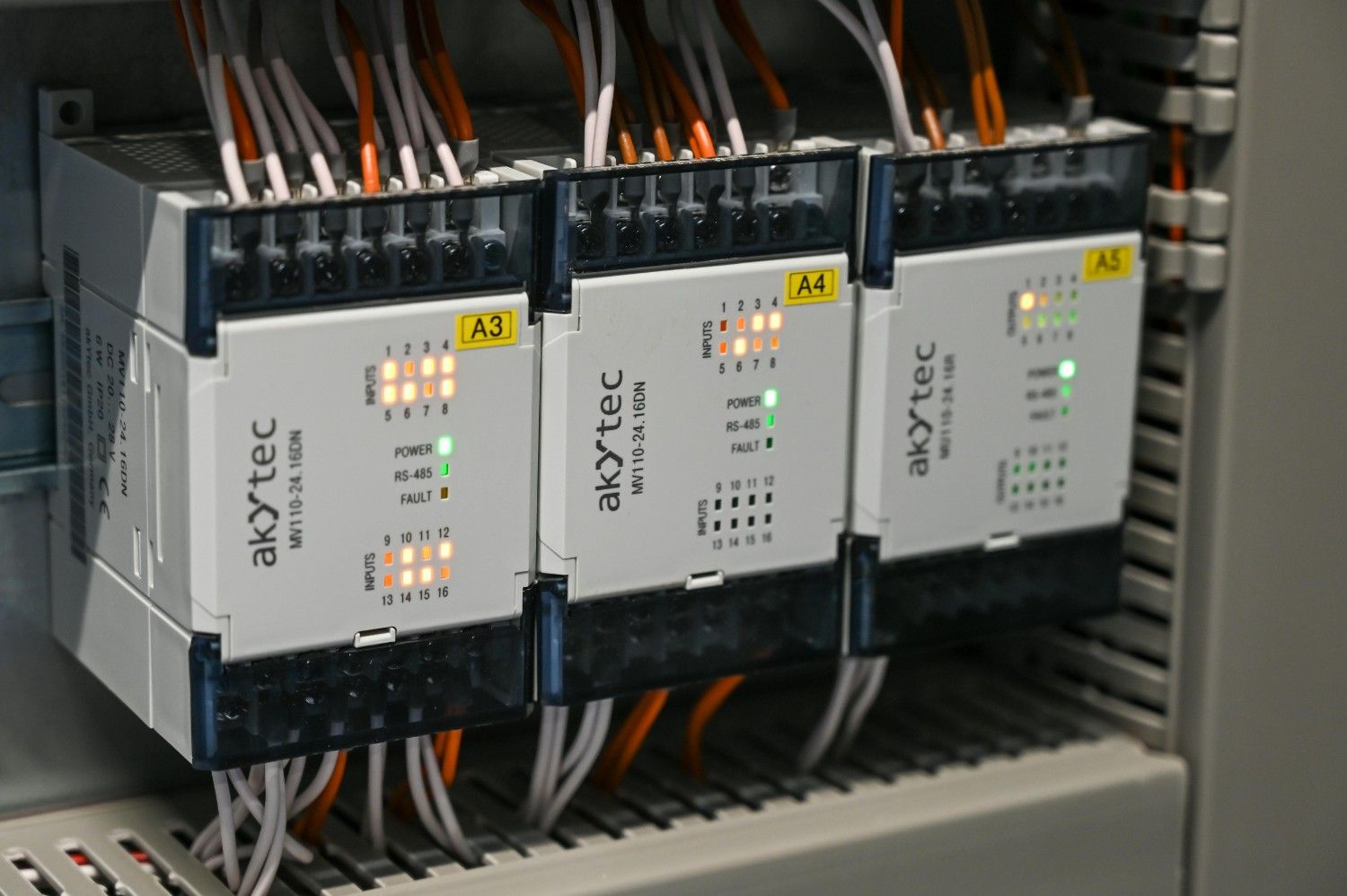
In many automation systems, performance issues don’t come from lack of capability. The machines are capable. The hardware is reliable. The system, on paper, should work efficiently. Yet, in real production environments, performance often falls short of expectations due to lack of PLC and HMI optimization.
The reason is rarely obvious.
In most cases, the gap between expected and actual performance comes down to how well the system is configured, structured, and refined over time. This is where PLC and HMI optimization plays a critical role.
Optimization is not about rebuilding systems or introducing new components. It’s about improving how existing systems behave—how they process information, respond to conditions, and communicate with operators. When done correctly, it unlocks performance improvements that are already within reach.
Performance Is Defined by System Behavior, Not Just Speed
Custom automation performance is often misunderstood as speed alone. While cycle time matters, performance is broader than that.
It includes how consistently the system runs, how quickly it responds to changes, how clearly it communicates status, and how efficiently it recovers from disruptions.
PLC and HMI systems directly influence all of these factors. They determine how decisions are made, how actions are executed, and how information is presented.
When these elements are optimized, performance improves across the board—not just in isolated metrics.
Why PLC & HMI Optimization Becomes Necessary Over Time
No automation system operates in a perfectly stable environment. Production conditions change, product variations increase, and operational priorities shift.
As these changes occur, the original programming may no longer align perfectly with current needs. Logic that once worked efficiently may start creating delays, unnecessary steps, or confusion.
Optimization addresses this natural drift. Instead of treating the system as fixed, optimization treats it as something that can evolve. It aligns programming and interfaces with how the system is actually being used, not just how it was originally designed.
Improving Decision Flow Within the PLC
The PLC is responsible for making real-time decisions based on inputs and conditions. Even small inefficiencies in this decision flow can impact overall system performance.
Optimization often focuses on simplifying and refining this logic.
When decision paths are clear and well-structured, the system responds faster and more predictably. Redundant conditions, unnecessary checks, or overly complex sequences can slow down response time and introduce inconsistency.
By streamlining logic, the PLC operates more efficiently, which directly improves system behavior during production.
Reducing Latency and Improving Responsiveness
In automation systems, delays are not always visible, but they add up.
Small latencies between signal detection, decision-making, and execution can create gaps in process flow. These gaps may not be noticeable in isolation, but over time they affect throughput and coordination.
Optimization helps reduce these delays by aligning timing, improving communication between components, and ensuring that signals are processed efficiently.
The result is a system that feels more responsive and synchronized, even under demanding conditions.
Enhancing System Stability Through Better Logic Structure
Stability is one of the most important aspects of automation performance.
Systems that behave unpredictably, even occasionally, create uncertainty. Operators lose confidence, troubleshooting becomes more frequent, and production flow becomes harder to manage.
Optimizing PLC and HMI fundamentals logic improves stability by ensuring that system behavior remains consistent under different conditions. Clear sequencing, well-defined states, and reliable transitions reduce unexpected outcomes.
Over time, this stability becomes one of the most valuable performance improvements.
Making HMI Interfaces Work for the Operator
While PLC optimization improves system behavior, HMI optimization improves how people interact with that behavior.
Operators rely on the HMI to understand system status, respond to issues, and make adjustments. If the interface is unclear or cluttered, performance suffers—not because the system is slow, but because decisions take longer.
Optimized HMI design focuses on clarity.
It presents information in a way that supports quick understanding. It reduces unnecessary navigation and ensures that important data is visible when needed.
When operators can interpret system status instantly, response time improves, and disruptions are handled more efficiently.
Reducing Cognitive Load on the Shop Floor
Automation systems should simplify operations, not complicate them.
Poorly designed interfaces or unclear feedback can increase cognitive load, forcing operators to interpret signals, remember sequences, or search for information.
Optimization reduces this burden.
By organizing information logically and presenting it clearly, HMI systems allow operators to focus on decision-making rather than interpretation. This improves both speed and accuracy in daily operations.
Aligning PLC and HMI for Consistent Communication
One of the most common sources of inefficiency is misalignment between PLC logic and HMI display.
If the PLC processes information one way and the HMI presents it differently, confusion follows. Operators may see incomplete or unclear system states, leading to delayed or incorrect responses.
Optimization ensures that both layers are aligned.
Data structures, naming conventions, and system states are synchronized so that what the operator sees accurately reflects what the system is doing. This alignment improves trust and reduces unnecessary intervention.
Improving Fault Detection and Recovery
No system is immune to faults. What matters is how effectively the system identifies and responds to them.
Optimized PLC and HMI systems provide clear fault detection and structured recovery processes. Instead of vague alarms, they offer specific information about what went wrong and what needs to be done.
This clarity reduces downtime because issues are resolved faster and with greater confidence.
Over time, improved fault handling becomes a major contributor to overall performance. Oee and Iot data for perfomance gains can be done easily with improved fault detection and recovery.
Supporting Continuous Improvement Through Data
Automation systems generate valuable data, but its usefulness depends on how it is structured and presented.
Optimization improves data quality and accessibility.
When data is organized clearly and aligned with operational goals, it becomes easier to identify patterns, track performance, and make informed decisions.
This supports continuous improvement, allowing manufacturers to refine processes over time rather than relying on one-time adjustments.
Adapting to Changing Production Needs
As production evolves, systems must adapt.
New product variations, updated workflows, or changes in demand often require adjustments to control logic and interfaces. Without optimization, these changes can introduce inefficiencies or inconsistencies.
Optimized systems are easier to modify.
Because logic is structured clearly and interfaces are designed thoughtfully, updates can be implemented without disrupting the entire system. This flexibility supports long-term performance.
Common Signs That Optimization Is Needed
Many performance issues don’t require new equipment they require refinement.
Signs that optimization may be needed include:
- Slower response times than expected
- Frequent operator intervention
- Confusing or cluttered interface screens
- Inconsistent system behavior under similar conditions
Recognizing these signs early allows manufacturers to improve performance without major investment.
Why Optimization Delivers High Value With Low Disruption
One of the biggest advantages of PLC and HMI optimization is that it improves performance without requiring major changes to hardware.
Because the focus is on logic and interaction, improvements can often be implemented incrementally. This minimizes disruption to ongoing operations while still delivering meaningful results.
For many manufacturers, this makes optimization one of the most practical ways to enhance system performance. With the best PLC & HMI programming practices, the optimization becomes easy.
Final Thoughts
Automation performance is not just about what systems can do—it’s about how well they do it, consistently and predictably.
PLC and HMI optimization plays a central role in achieving this. By refining logic, improving communication, and enhancing usability, it unlocks performance gains that already exist within the system. PLC programming best practices does this to a system with ease.
For manufacturers, this means better responsiveness, clearer operation, and more stable production without the need for constant reinvestment.
Optimization turns automation from something that simply works into something that works well, every day.