


Blog
How Custom Automation Improves Efficiency, Quality & Safety

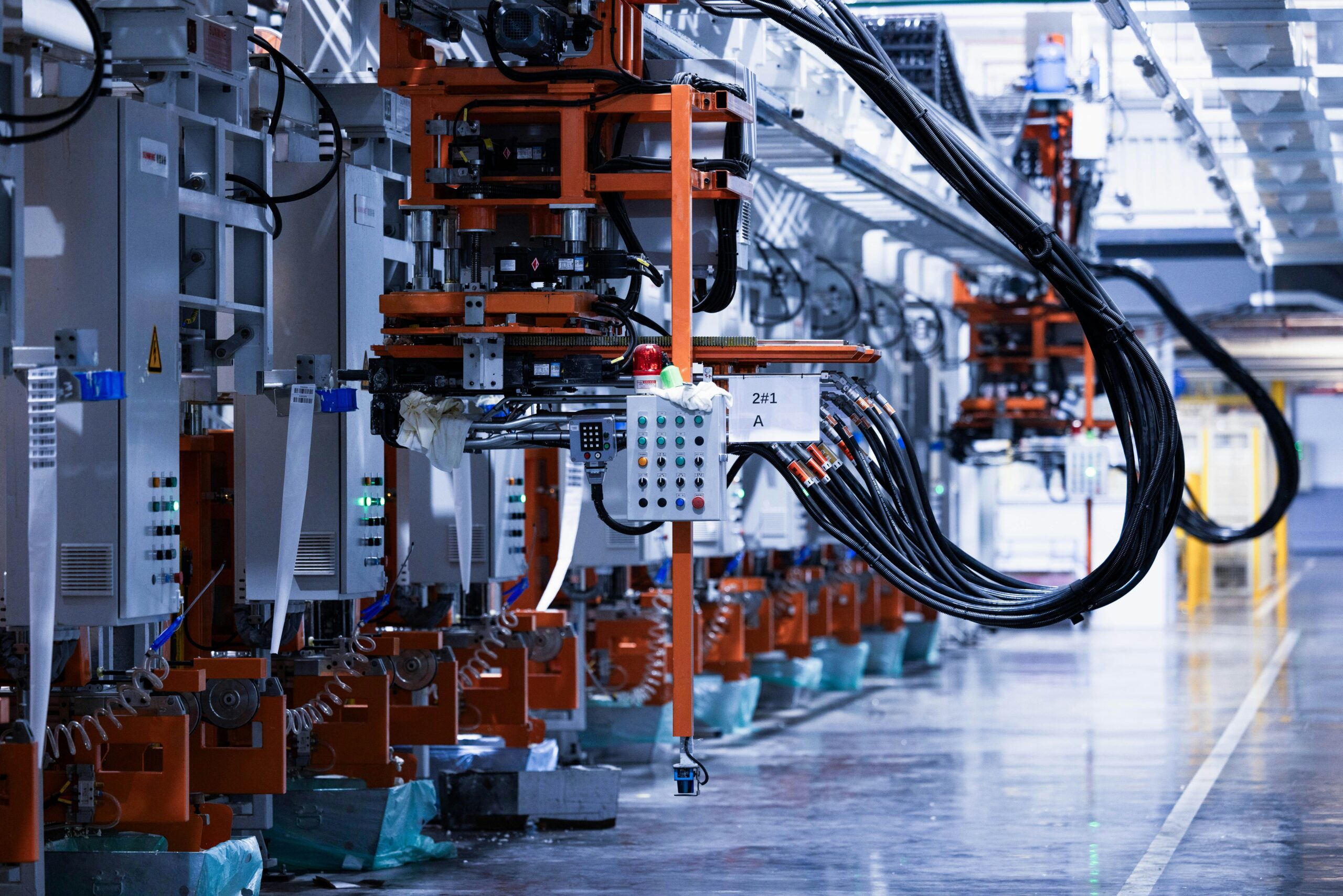
Custom industrial automation improves efficiency, quality, and safety by removing the small inefficiencies, inconsistent execution, and high-risk manual tasks that generic systems leave untouched. When engineers design custom industrial automation around your actual process instead of using a one-size-fits-all template, they can reduce bottlenecks, standardize output, and keep workers out of harm’s way all without forcing you to choose one benefit over another.
That’s the short version. Now let’s look at how this actually plays out on the production floor, not just in theory.
The Tension Every Production Floor Feels
Walk into almost any production facility today, and you’ll notice the same tension everywhere. Teams must produce more, faster, and better while controlling costs and protecting worker safety. That becomes difficult when processes rely heavily on manual intervention or rigid, off-the-shelf automation systems that do not fit the specific production line.
This is exactly where custom automation changes the game. Instead of forcing your production team to work around the technology, custom automation reshapes the technology around the way work actually happens. When that alignment is right, efficiency improves naturally, quality becomes consistent, and safety stops being an afterthought bolted on at the end.
Let’s break down how custom industrial automation delivers real improvements across these three critical areas not in theory, but on the floor where it counts.
Efficiency Starts When Waste Is Designed Out of the Process
Efficiency problems rarely come from one big issue. They come from small, repeated inefficiencies extra movements, waiting time between steps, manual checks that slow everything down, or machines sitting idle because processes don’t sync properly.
Custom industrial automation targets these exact friction points. Engineers study how materials move, how operators interact with machines, and where delays actually occur, then design automation that removes unnecessary steps instead of just speeding up the ones you already have. This approach improves flow, not just raw speed.
When automation fits the process precisely, cycle times become predictable. Bottlenecks shrink because tasks are balanced across the line instead of clustering at one station. Machines communicate with each other instead of working in isolation, which keeps production moving smoothly even during peak loads.
Some efficiency improvements typically come from:
- Automating repetitive, time-consuming manual tasks
- Synchronizing machine operations to reduce idle time
- Reducing rework caused by inconsistent execution
The result is a production environment that feels calmer, more controlled, and far less reactive even when demand spikes.
Custom Industrial Automation Improves Output Without Sacrificing Control
One concern many manufacturers raise is losing control as automation increases speed. Custom automation solves this by combining speed with visibility instead of trading one for the other.
Instead of operators constantly monitoring every step by hand, systems are designed to track performance automatically. Real-time data on cycle times, output rates, and stoppages gives your team immediate insight into what’s happening and why it’s happening.
Because the automation is custom-built, reporting focuses on the metrics that actually matter to your operation not generic dashboards that look impressive but offer little real value. This level of control lets teams make fast, informed adjustments without slowing production down. Efficiency improves not because people rush, but because the system itself supports better decision-making at every step.
Consistent Quality Comes From Consistent Execution
Quality issues often don’t come from a lack of skill. They come from variation. Small differences in timing, pressure, alignment, or material handling add up to defects, especially at scale, even when your team is doing everything right.
Custom automation reduces this variability by executing tasks the same way, every time, under the same conditions. Once parameters are defined and validated, the system follows them precisely across every single cycle, shift after shift.
This consistency matters most in industries where tolerances are tight or compliance requirements are strict. Instead of relying on manual inspections to catch mistakes after they happen, automation prevents many of those mistakes from occurring in the first place.
Quality improvements typically show up as:
- Lower defect and rejection rates
- Reduced need for rework and manual correction
- More stable output across long production runs
Over time, this stability builds confidence both internally with your own teams and externally with customers who depend on reliable product performance.
Built-In Quality Checks, Not End-of-Line Fixes
Another major advantage of custom automation is how quality checks get built into the process itself, rather than tacked on at the very end.
Rather than inspecting products only after the line finishes, automated systems can validate dimensions, alignment, torque, or presence at multiple stages along the way. If something drifts out of tolerance, the system flags it immediately or stops the process before defects multiply downstream.
This early detection saves time, material, and frustration.Operators can quickly identify where problems occurred, while quality teams gain clear traceability instead of piecing together incomplete inspection data after the fact. When quality becomes part of the process instead of a final checkpoint, efficiency and quality stop competing with each other they start reinforcing each other.
Safety Improves When Risky Tasks Are Removed, Not Managed
In many production environments, safety issues persist not because teams ignore them, but because workers are exposed to risks that training alone can’t eliminate. Repetitive lifting, awkward postures, sharp tools, or close proximity to moving machinery create hazards no amount of caution fully removes.
Custom industrial automation directly addresses this by removing people from high-risk tasks altogether, rather than just managing the risk around them.
Robots and automated systems don’t get fatigued, distracted, or injured. They handle heavy loads, precise movements, and hazardous conditions without compromising performance. Meanwhile, your operators transition into roles focused on supervision, setup, and decision-making work that actually benefits from a human being in the loop.
Safety benefits usually include:
- Fewer workplace injuries and near-miss incidents
- Reduced ergonomic strain on operators
- Better compliance with safety standards and audits
A safer environment also improves morale. When workers feel protected, they engage more confidently with the process instead of working defensively around risks they’ve learned to live with.
Human Roles Become More Meaningful, Not Redundant
One misconception about automation is that it replaces people. In reality, custom automation reshapes how people contribute to the process.
By taking over repetitive and physically demanding tasks, automation frees your workers to focus on activities that require judgment, experience, and problem-solving. Operators become system monitors. Technicians become optimizers. Engineers focus on continuous improvement instead of constantly firefighting the same recurring issues.
This shift increases overall efficiency because people are no longer stretched thin trying to do everything at once. Instead, they work alongside automation in roles that actually make use of their skills which is a very different outcome than the “automation replaces jobs” narrative suggests.
Fewer Errors, Faster Recovery When Issues Occur
No production system is perfect. What matters is how quickly it recovers when something does go wrong.
Custom automation improves recovery by making processes more transparent. When an issue occurs, the system provides clear fault diagnostics instead of vague alarms that send your team hunting for the cause. Operators know exactly where to look and what action to take.
Standardized processes make it easier for teams to apply and verify fixes. They reduce guesswork, minimize downtime, and prevent cascading failures caused by unresolved root issues. This reliability improves efficiency, quality, and safety at the same time, which is why these three outcomes are so closely connected.
Scalability Without Chaos
As demand grows, production environments often struggle to scale without losing control. Hiring more labor, adding shifts, or pushing machines harder can introduce new risks and new inconsistencies right when you can least afford them.
Custom automation offers a more stable path to growth. Teams can design systems to scale modularly, increasing capacity without disrupting existing operations. A flexible foundation allows them to integrate additional stations, robots, or software updates smoothly as needs grow.
This kind of controlled scalability is a core benefit of industrial automation for manufacturers: it ensures efficiency, quality, and safety improve together, instead of one getting sacrificed to boost another.
Why These Three Outcomes Are Connected
Efficiency, quality, and safety aren’t separate goals. They are deeply connected, and many automation projects go wrong when teams treat them as separate line items.
When processes run efficiently, people rush less and make fewer mistakes. Then quality is consistent, rework decreases and workflows stay predictable. When safety improves, downtime drops and employee engagement rises. Custom industrial automation works precisely because it addresses all three areas as part of one connected system, not as isolated improvements bolted onto an existing process. It aligns machines, people, and data around a single, well-designed workflow instead of optimizing pieces in isolation.
Custom Industrial Automation as a Long-Term Advantage
At its best, custom automation doesn’t just improve today’s performance. It builds a production environment that can adapt, scale, and improve continuously for years.
By designing automation around real operational needs, manufacturers gain more than faster output. They gain control, confidence, and resilience the kind that holds up even as markets, products, and customer expectations evolve. That’s what makes custom automation more than a technical upgrade. It’s a strategic investment in how efficiently, safely, and consistently your production can run for years to come.
Getting there, though, depends heavily on who designs the system. This is where working with an experienced custom automation partner makes the difference between automation that delivers on all three fronts and automation that only solves one problem while quietly creating two more.
Where Fenbotics Fits Into This Picture
Efficiency, quality, and safety all depend on how well Fenbotics understands your process before building the automated system. Fenbotics, based out of Lancaster, South Carolina, works with manufacturers who need more than a faster machine; they need a system engineered to remove waste, hold tolerances, and take people out of harm’s way, all within the same build.
The Fenbotics team spends time on your floor before touching a design file, mapping where cycle time gets lost, where defects creep in, and where operators are exposed to unnecessary risk. From there, they engineer industrial automation that folds quality checks directly into the process, gives your team real-time visibility instead of guesswork, and scales cleanly as your production needs grow. If you’re weighing what a properly built system could do for your throughput, your defect rates, and your safety record simultaneously, Fenbotics is worth a conversation.