


Blog
Cost of Custom Industrial Automation Systems: What Affects Pricing?

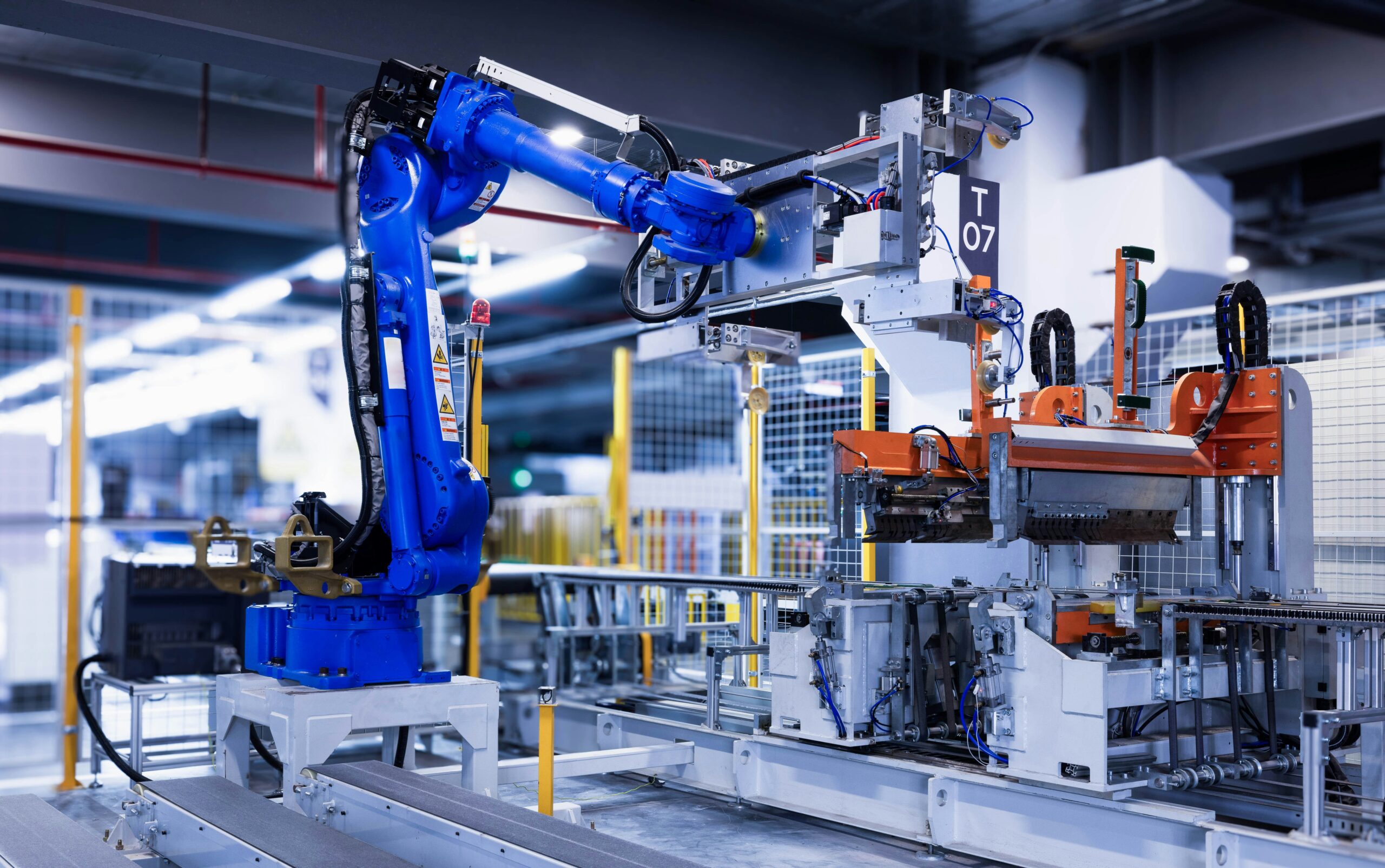
The cost of a custom industrial automation system depends on several interconnected factors: process complexity, the level of customization required, hardware quality, software and controls, integration with your existing equipment, safety and compliance needs, scalability, and installation and commissioning effort. There’s no fixed price list, because no two production environments are the same but understanding these cost drivers lets you set a realistic budget before you ever request a quote.
That’s the short answer. Now let’s dig into why pricing works this way, and what actually drives the number up or down.
When manufacturers start exploring custom automation, one question comes up almost immediately: “How much will this actually cost?” It’s a fair question, and honestly, it’s one of the hardest to answer with a single number.
Custom industrial automation systems don’t follow a fixed price list the way you’d expect from off-the-shelf machines. These systems are designed around your specific process, your layout, and your production goals. Two automation projects that look nearly identical on the surface can end up with very different price tags once you dig into the details.
Understanding what affects the cost of custom industrial automation systems helps you set realistic expectations, plan your budget wisely, and avoid unpleasant surprises later in the project.
Why Custom Industrial Automation System Pricing Is Never One-Size-Fits-All
Custom automation isn’t about buying equipment off a shelf it’s about designing a solution built specifically for you. That design process takes into account how your production environment works today and how it needs to work tomorrow.
Pricing depends less on the word “automation” itself and more on questions like:
- What problem are you actually trying to solve?
- How complex is the process you’re automating?
- How flexible does the system need to be as your business changes?
When these variables shift, so does the cost. That’s exactly why meaningful pricing discussions only happen after your automation partner understands the application in real detail, not from a generic quote sheet.
System Complexity Has the Biggest Impact on Cost
One of the strongest cost drivers in any custom automation project is complexity, plain and simple.
A simple automated task with a single operation costs far less than a multi-stage system that coordinates machines, sensors, conveyors, and software logic all at once. Complexity climbs when your system needs to make decisions on the fly, handle product variations, or respond to real-time data from the floor.
More complex systems require:
- Advanced control logic to manage multiple variables at once
- More extensive testing and validation before go-live
- Higher engineering effort across the entire design phase
Each of these adds to your overall project cost, and not just because of the hardware involved. The real cost driver is the expertise and time it takes to make every piece work together reliably, day after day.
Level of Customization and Engineering Effort
The word “custom” itself plays a major role in pricing, more than most people expect going in.
Some automation projects adapt proven designs with minor modifications, which keeps costs relatively contained. Others require ground-up engineering to meet unique production requirements, tight space constraints, or specific regulatory standards, which naturally pushes the price higher.
Higher customization usually means:
- More design hours spent upfront
- Detailed simulations and prototyping before anything gets built
- Iterative testing and refinement to get it exactly right
While this increases your upfront cost, it often reduces long-term operational issues, because the system fits your process instead of forcing your process to bend around the system.
Hardware Choices Influence the Budget Significantly
Hardware selection is another major factor in automation pricing, and it’s one where the choices really add up. Different components offer different levels of precision, durability, and performance, and each of those trade-offs shows up in the final quote.
Common hardware-related cost factors include:
- The type and number of robots or automated stations you need
- Sensors, vision systems, and safety components
- Actuators, drives, and control panels
Higher-grade components cost more upfront, but they typically deliver better reliability, a longer service life, and easier maintenance down the road. Budget-friendly components might lower your initial costs, but they can increase downtime or maintenance expenses later, which often erases the savings you thought you locked in.
The right balance really depends on your production volume, your operating environment, and your long-term goals for the line.
Software, Controls, and System Intelligence
Automation systems rely heavily on software and control logic, even when that part isn’t visible from the plant floor.
Programming effort varies widely depending on:
- The number of control points the system needs to manage
- Integration requirements with your existing machines or systems
- Data tracking, reporting, and diagnostics requirements you want built in
Custom software that supports flexibility, monitoring, and future expansion adds real value, but it also adds cost. This investment tends to pay off through smoother operations and easier optimization over time, especially once you start using the data the system collects to fine-tune your process.
Integration With Existing Equipment and Infrastructure
Automation rarely exists in isolation on a production floor. Most systems have to work alongside your existing machines, your current layout, and your established workflows.
Integration complexity affects cost for a few reasons:
- Older equipment may require custom interfaces to communicate properly
- Layout constraints can limit what a standard design would otherwise allow
- Production often can’t stop for long installation windows
When automation needs to fit into a live production environment without grinding operations to a halt, engineers have to plan carefully to minimize disruption. That planning and execution effort adds to your project pricing, but it protects your ongoing operations, which is worth far more than the added cost.
Safety and Compliance Requirements in Custom Automation Industrial System
Safety isn’t optional in any automation project, and meeting safety standards directly influences both system design and cost.
Depending on your application, safety requirements may include:
- Guarding and enclosures around moving components
- Light curtains and safety scanners
- Emergency stop systems and interlocks throughout the line
Compliance with industry and regional standards requires proper design, thorough documentation, and formal validation. While these elements add to the project cost, they also reduce risk significantly and support smoother audits and approvals down the line a cost worth paying before an incident forces the issue.
Scalability and Future-Proofing Considerations
Some manufacturers design automation strictly for today’s needs. Others plan for growth right from the start, and that choice shows up in the price tag too.
Systems built with scalability in mind may include:
- Modular layouts that let you add stations later
- Extra capacity built into the control hardware
- Software designed with future expansion in mind
This approach can slightly increase your upfront cost, but it often reduces the expense of future upgrades considerably. Planning ahead helps you avoid redesigning or replacing entire systems as your production requirements evolve, which almost always costs more than building in room to grow the first time around.
Installation, Testing, and Commissioning Effort
The work doesn’t end when the system gets built. Installation and commissioning are critical phases that influence both cost and long-term success, and they deserve just as much attention as the design phase.
Factors that affect pricing during this stage include:
- On-site installation time and labor
- Testing under real production conditions, not just in a lab
- Training for your operators and maintenance teams
Thorough commissioning ensures the system performs as intended from day one. Skipping or rushing this phase might reduce short-term costs, but it often leads to bigger issues later the kind that cost far more to fix after the system is already running.
Support, Maintenance, and Documentation
Custom automation pricing often includes more than just the physical system sitting on your floor. Long-term support matters just as much as the initial build.
Documentation, training materials, and post-installation support all add value by making the system easier to operate and maintain over its lifetime. Clear documentation reduces your dependency on external support and empowers your internal teams to handle day-to-day adjustments with confidence, instead of waiting on a service call every time something needs tweaking.
Upfront Cost vs. Long-Term Value
It’s tempting to judge automation projects purely by their initial price tag. But cost and value are not the same thing, and conflating the two is one of the most common mistakes manufacturers make.
A lower-cost system may:
- Require more frequent maintenance
- Offer limited flexibility as your product line changes
- Struggle to adapt when your process inevitably shifts
A well-designed custom system may cost more upfront, but it typically delivers stronger performance, stability, and adaptability over time. Evaluating cost in isolation, without factoring in years of operation, often leads to incomplete and expensive conclusions.
How to Approach Pricing Discussions for Custom Industrial Automation System
The most productive pricing conversations happen when your goals are clear from the start.
Instead of asking only “How much does it cost?”, ask better questions like:
- What problems will this system actually solve for us?
- How will we measure success once it’s running?
- What flexibility will we need as our business grows?
Clear answers let your automation provider design a solution that aligns cost with your actual business needs, instead of guessing at a number based on incomplete information.
Final Thoughts
The cost of custom industrial automation systems depends on many interconnected factors complexity, customization, hardware, software, integration, safety, and long-term goals. There’s no universal price tag, but there’s always a clear logic behind the numbers once you understand what’s driving them.
When manufacturers understand what actually drives pricing, they can make smarter decisions, set realistic budgets, and invest in systems that support efficient, reliable production for years to come.
Custom automation isn’t about buying equipment at the lowest possible price. It’s about building a system that fits your process, supports the people running it, and delivers consistent value over time.
How Fenbotics Helps You Get the Pricing Right
This is exactly where working with the right partner makes all the difference. Fenbotics, a custom automation partner based out of Lancaster, South Carolina, takes the time to understand your process, your goals, and your constraints before putting a single number on paper, so you’re never paying for complexity you don’t actually need or cutting corners on the parts that matter most.
Instead of handing you a generic quote, Fenbotics walks through your production environment, identifies where automation will deliver the biggest return, and designs a system that balances upfront investment against long-term value. Whether you need a straightforward single-station solution or a fully integrated, multi-stage system, Fenbotics builds pricing around your actual goals, not a one-size-fits-all package. If you want a clear, honest picture of what custom automation will really cost for your operation, Fenbotics is ready to walk through it with you.