


Blog
Turnkey Automotive Automation Systems Explained (What’s Included & What to Expect)

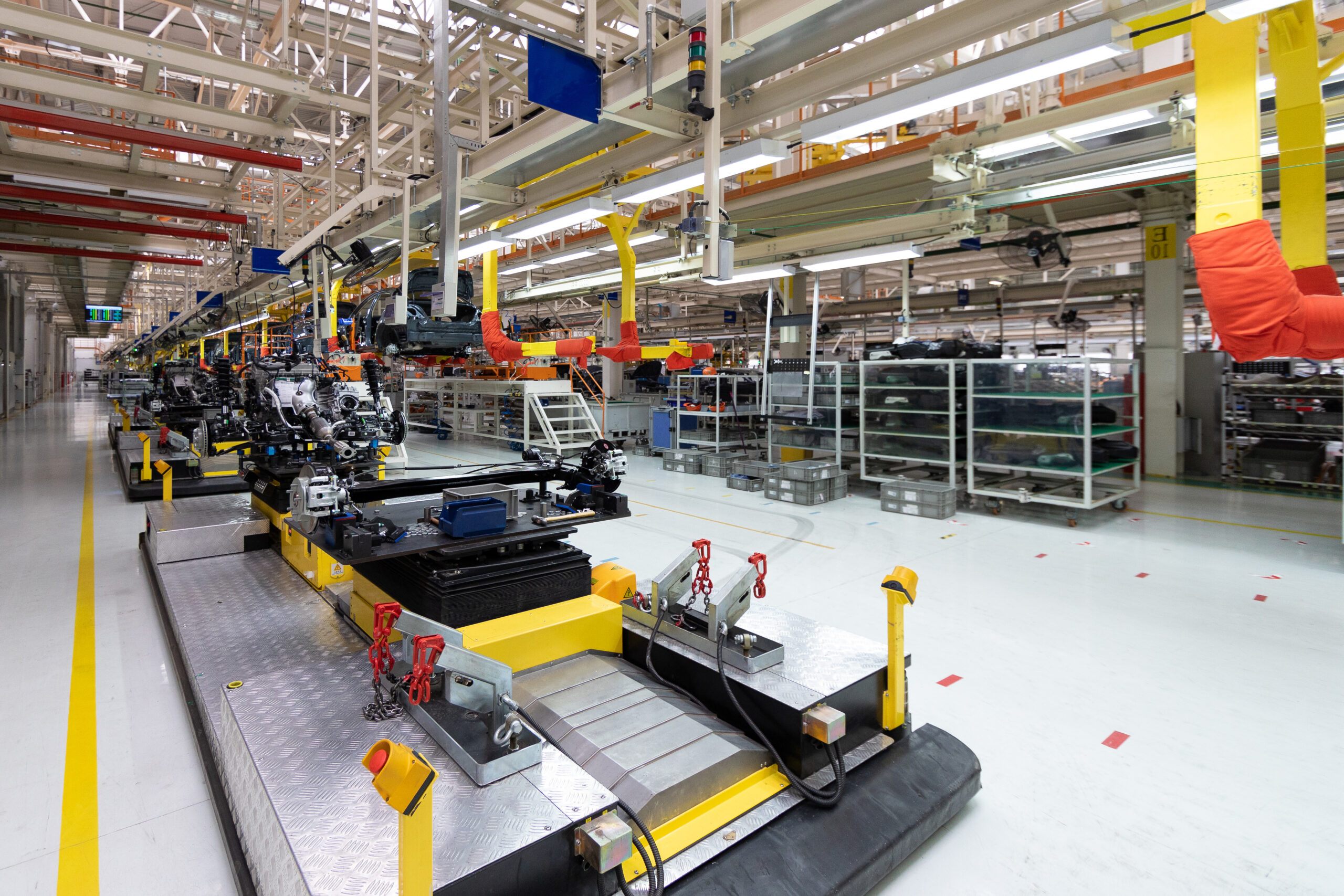
Turnkey automotive automation systems are pre-engineered, ready-to-run automation cells robotic welding stations, palletizing units, material handling lines built on proven designs and delivered as a complete package, so a manufacturer can install, commission, and start production without engineering the system from scratch. In practice, “turnkey” typically covers the equipment, the controls programming, the safety guarding, and the installation and commissioning support needed to get a station running on your floor. It’s the middle ground between buying raw equipment and piecing it together yourself, and fully custom engineering built around a completely unique process.
That definition sounds simple enough, but the details of what’s actually included and what still needs to happen on your end vary a lot between vendors. If you’re evaluating a turnkey option for an upcoming automation project, here’s what the term really means, what a typical package includes, and what to watch for before you sign anything.
Where “Turnkey” Sits Between Off-the-Shelf and Fully Custom
It helps to think of automation delivery models on a spectrum rather than as three totally separate categories.
At one end, you’ve got off-the-shelf equipment — generic robots, conveyors, and cells sold as standalone components, with integration left largely up to you or a separate contractor.
At the other end, you’ve got fully custom automotive automation — systems engineered from a blank sheet around a genuinely unique process, part geometry, or facility constraint.
Turnkey automotive automation systems sit in between. They start from a proven, pre-engineered base design for a common application a specific type of weld cell, a standard fastening station, a common palletizing configuration and adapt that base to your specific parts, cycle time, and floor layout. You get much of the speed and cost advantage of a pre-designed system, without forcing a genuinely unique process into a completely generic box.
This middle position is exactly why turnkey has become such a popular option for manufacturers who need a proven, working system fast, but still need it tuned to their actual production requirements.
What’s Typically Included in a Turnkey Package
The word “turnkey” implies “just turn the key and go,” and a good package should get reasonably close to that. Here’s what’s usually bundled in:
Complete Equipment Selection and Sourcing
The vendor selects and sources every major component robots, PLCs, sensors, safety devices, fixturing hardware so you’re not managing purchase orders across five different suppliers. This alone saves a meaningful amount of project management time for plants without a dedicated automation procurement team.
Mechanical Design and Fixturing
Turnkey doesn’t mean generic fixturing. A quality vendor still designs tooling and fixtures around your actual part, even if the overall cell architecture is based on a proven template. This is usually the biggest area of adaptation within an otherwise standardized package.
Controls and PLC/HMI Programming
Engineers start with pre-built programmable logic controller code and human-machine interface screens from the base design, then tune them to match your specific sequence, cycle time, and safety requirements. Because they have already tested the core logic on similar projects, this approach typically carries less risk than building a fully custom control system from scratch.
Robot Programming
If the system includes robotics, the robot paths and sequences come programmed and tested against your actual part not a generic sample before the system ships. Vendors with strong FANUC system integrator or other platform-specific expertise usually have a library of proven programming approaches they can adapt quickly.
Safety Systems and Guarding
Light curtains, interlocked fencing, safety-rated PLCs, and e-stop circuits are included and designed to meet applicable safety standards for your specific installation, not just a generic guarding template.
Installation and On-Site Commissioning
The vendor’s team installs the system on your floor, connects it to power and any necessary utilities, and runs it through commissioning testing the full cycle under real production conditions and troubleshooting anything that comes up before signing off.
Training and Documentation
A complete package includes training for your operators and maintenance technicians, along with documentation wiring diagrams, program logic, spare parts lists that your team needs to actually run and maintain the system long-term.
Warranty and Initial Support
Most turnkey packages include a warranty period and some level of post-installation support, though the specifics duration, what’s covered, response times vary significantly between vendors and are worth pinning down before you sign.
What “Turnkey” Doesn’t Always Include
This is where manufacturers most often get surprised, so it’s worth being specific about what commonly falls outside the base package.
Facility modifications. Electrical service upgrades, compressed air infrastructure, floor reinforcement, or ventilation changes needed to support the new equipment are frequently the customer’s responsibility, not the vendor’s.
Integration with existing plant systems. Connecting a new turnkey cell to your existing MES, historian, or plant-wide network sometimes requires additional scope beyond the base package, especially if your existing systems use a different platform than what the vendor typically works with.
Ongoing preventive maintenance. Initial warranty support is common; a long-term maintenance contract usually isn’t included by default and needs to be negotiated separately if you want it.
Line integration beyond the single station. A turnkey cell is typically delivered as a self-contained unit. Vendors sometimes treat coordination with upstream and downstream stations including timing, conveyor interfaces, and buffer logic as separate scope, especially when another vendor built those adjacent stations.
Future changeover engineering. If your production mix changes down the road a new model, a different part variant updating a turnkey system for that change is usually a separate, billable project unless it was explicitly planned for during the original design.
None of this makes turnkey a bad option it just means “turnkey” isn’t a guarantee that literally everything is covered. Getting a detailed scope document upfront is the only reliable way to know exactly where the line falls for a specific vendor’s package.
The Real Advantages of Going Turnkey
When the fit is right, turnkey automotive automation systems offer some genuine, well-earned advantages.
Faster delivery timelines. Because the core design, programming architecture, and component selection are already proven, turnkey projects typically move from order to commissioning faster than fully custom builds often by months, depending on complexity.
Lower engineering risk. A design that’s already been built, tested, and refined across multiple past installations has had its early-stage mistakes worked out long before it arrives at your plant. Fully custom systems don’t have that advantage on day one.
More predictable pricing. Because much of the engineering is already done, vendors can typically quote turnkey packages with tighter pricing certainty than a fully custom project, where scope tends to evolve as design work progresses.
Proven performance benchmarks. A vendor offering a turnkey package for, say, a specific type of spot-welding cell can usually point to real-world cycle time and uptime data from previous installations, something a brand-new custom design simply can’t offer yet.
Where Turnkey Falls Short
Turnkey isn’t the right fit for every situation, and it’s worth being honest about where it struggles.
Genuinely unique processes. If your part geometry, tolerance requirements, or process sequence doesn’t closely match what the turnkey template was designed around, forcing the fit usually means compromises in performance or reliability, the same problem covered in the custom-versus-off-the-shelf conversation, just one step up the customization ladder.
Tight synchronization with unusual line architecture. If your line takes time or station sequencing is unusual, a standardized turnkey cell’s cycle time assumptions may not line up cleanly, requiring more adaptation than the “turnkey” label suggests.
Emerging processes without an established template. Some newer automotive applications, certain EV battery handling processes, for instance simply don’t have a mature, proven turnkey design yet, because the industry hasn’t built up enough installed base to standardize a template.
What to Expect During a Turnkey Project
Knowing the general timeline and process helps set realistic expectations before you commit.
Discovery and scoping comes first the vendor reviews your part drawings, production volumes, cycle time requirements, and floor layout to confirm the base design fits, and to identify what needs to be adapted.
Design review follows, where the vendor presents the adapted design fixturing, layout, controls architecture for your approval before manufacturing begins. This is the stage to raise any concerns, since changes get more expensive the later they happen.
Build and factory testing (often called a FAT, or Factory Acceptance Test) happens at the vendor’s facility, where the system gets assembled and run through its paces before it ever ships to your plant. A strong vendor invites your team to attend or review this testing in person.
Shipping and installation brings the system onto your floor, followed by mechanical and electrical hookup.
Site Acceptance Testing (SAT) and commissioning is where the system runs under your actual production conditions real parts, real cycle times, real operators and gets fine-tuned until it performs to spec.
Training and handoff wraps up the project, with your team getting hands-on instruction and documentation before the vendor’s support shifts from active commissioning to warranty-period assistance.
Understanding this sequence gives you a much clearer sense of where delays commonly happen (design review and SAT are the two most common stretch points) and what a realistic project timeline should look like for your specific scope.
Questions Worth Asking Before You Choose a Turnkey Vendor
A few pointed questions during vendor evaluation tend to separate a strong turnkey partner from one who’s stretching the definition of the term:
- “How many similar systems have you installed, and can I see performance data from one?” Real turnkey value comes from a proven track record, not a first attempt.
- “What exactly is excluded from this quote?” Get facility prep, MES integration, and line-level coordination spelled out in writing.
- “What happens if our part doesn’t fit your standard fixturing template?” The answer tells you how flexible the “turnkey” package actually is.
- “What’s covered under warranty, and for how long?” Vague answers here often mean gaps you’ll discover later, usually at an inconvenient time.
- “Who handles support after the warranty period ends?” A strong automotive automation systems integrator should have a clear answer, not a shrug.
These questions matter more than the marketing brochure, because they reveal how a vendor handles the parts of the project that don’t go exactly according to plan which happens on nearly every automation build, turnkey or not.
How Pricing Typically Works on a Turnkey Package
Pricing structure is another area where “turnkey” varies more than manufacturers expect going in. Most vendors quote turnkey packages as a fixed, lump-sum price covering equipment, programming, and standard installation which is part of the appeal, since it’s easier to budget against than an open-ended custom engineering estimate.
That fixed price usually assumes your application falls within the standard scope of the base design. The moment your part, volume, or layout requires meaningful adaptation beyond that baseline, expect change orders additional line items covering the extra engineering, fixturing, or programming time. This isn’t a vendor being difficult; it’s the natural consequence of a “proven template” business model meeting a situation the template wasn’t originally built for.
The practical takeaway: ask vendors to clearly break down what the base price includes and what could trigger a change order before comparing quotes. Two turnkey quotes may look similar at first, but a closer look can reveal major differences in what each vendor includes in the base price and what they charge for separately.
Finding the Right Level of “Turnkey” for Your Project
Turnkey automotive automation systems earn their reputation when the fit is right a proven design, adapted intelligently to your specific parts and layout, delivered faster and with less engineering risk than starting from a blank page. The key is going in with a clear, written understanding of exactly what’s included, what isn’t, and how much adaptation your specific application actually needs.
Fenbotics builds turnkey systems with exactly that transparency in mind. Our Lancaster, South Carolina team explains from the first conversation what a proven, pre-engineered base design can handle and where your process requires custom engineering, so you always know exactly what the project scope includes. If you’re weighing a turnkey option against a fully custom build for your next project, we’re glad to walk through your specific part, volume, and timeline and give you an honest read on which path fits best.