


Blog
Designing Scalable Automation Systems for Future Growth

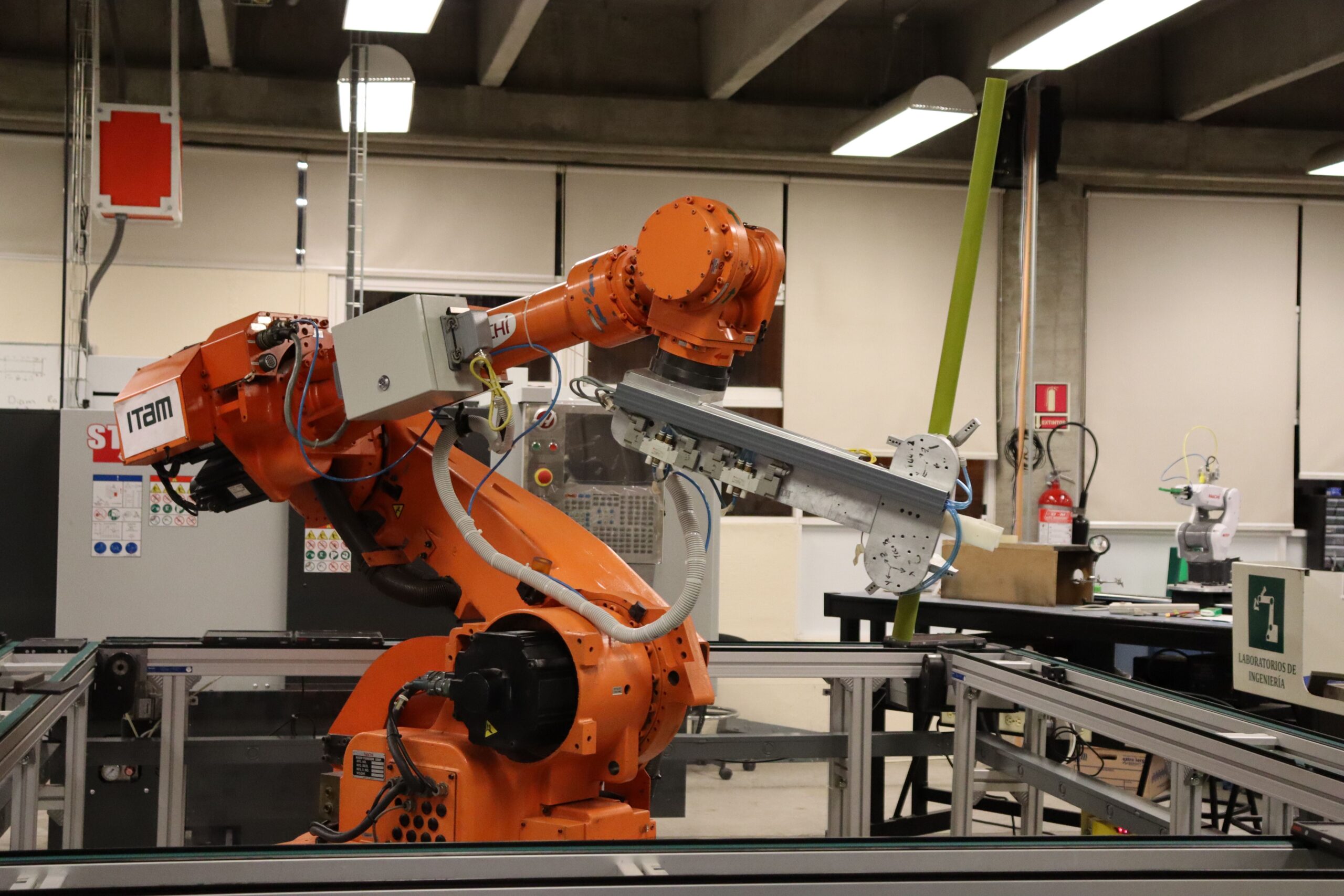
Automation projects often begin with a clear, immediate need for automation systems. A production bottleneck, rising demand, or increasing process complexity pushes manufacturers to invest in a custom automation system. While solving today’s problem is important, the real value of automation emerges when the system continues to support the business as it grows and evolves. This is where scalability becomes critical.
Designing scalable automation systems is not about predicting every future requirement. It’s about creating a foundation that can adapt without forcing major redesigns or operational disruptions. When scalability is built into the design from the start, automation becomes a long-term enabler of growth rather than a fixed solution tied to a specific moment in time.
This blog explores how manufacturers can design scalable automation systems that support future growth while remaining practical, reliable, and aligned with real operational needs.
Understanding What Scalability Really Means in Automation systems
Scalability in automation is often misunderstood as simply increasing capacity. In reality, it’s broader than that. A scalable automation system can handle changes in volume, product mix, process complexity, and data requirements without losing stability or efficiency.
True scalability allows a system to grow in controlled steps. It avoids rigid designs that work well initially but become obstacles when conditions change. Scalable systems maintain performance while accommodating new demands through thoughtful design choices rather than complete overhauls.
This mindset shifts automation from a short-term fix to a strategic capability.
Designing With Long-Term Business Direction in Mind
Before technical design begins, scalability starts with understanding where the business is headed. Growth may come from increased demand, new product lines, expanded facilities, or evolving customer expectations. While exact details may be uncertain, direction matters
Designing with future growth in mind helps prioritize flexibility over optimization for a single scenario. It encourages decisions that support adaptation rather than locking the system into narrowly defined operating conditions.
When automation systems aligns with long-term business direction, it remains relevant as the organization evolves.
Modular System Architecture as a Foundation in Automation Systems
One of the most effective ways to support scalability is through modular system architecture. Modular design breaks the automation system into functional units that can operate independently while remaining part of a cohesive whole.
This approach allows manufacturers to expand or modify specific areas without disrupting the entire system. New modules can be added as demand grows, and existing modules can be upgraded without affecting unrelated processes.
Modularity also simplifies troubleshooting, maintenance, and future enhancements, making growth more manageable over time.
Avoiding Over-Specialization in Early Design
Highly specialized automation systems may perform exceptionally well for a specific product or process, but they often struggle to adapt when requirements change. Over-specialization increases complexity and limits flexibility.
Designing for scalability means finding the right balance between specificity and adaptability. Systems should meet current performance needs while retaining the ability to support reasonable variation. This often involves selecting configurable components and designing logic that can accommodate change.
Resisting the urge to over-optimize early protects long-term system value.
Planning Control Systems for Expansion
Control systems play a central role in scalability. The way control logic, communication networks, and interfaces are structured determines how easily the system can grow.
Scalable control design focuses on clarity, consistency, and separation of functions. Teams should organize the logic so they can integrate new equipment or processes without rewriting large portions of the system.
Designing control systems with future expansion in mind allows businesses to extend the existing framework as they grow instead of disrupting operations.
Designing for Data Growth and Visibility
As automation systems scale, data volume and complexity increase. Scalable design accounts for how data will be collected, stored, and used over time.
Early decisions around data architecture influence future visibility and analytics capabilities. Systems designed with flexible data structures and standardized naming conventions are easier to expand and analyze as operations grow.
This foresight allows automation to support continuous improvement and informed decision-making long after initial deployment.
Physical Layout and Space Planning Considerations in Automation Systems
Scalability is not only a software concern. Physical layout plays a significant role in determining how easily automation can grow. Space constraints, access paths, and material flow all influence expansion potential.
Designing with future additions in mind may involve reserving space, planning clear expansion zones, or designing layouts that support reconfiguration. These considerations often have minimal impact on initial costs but provide significant benefits later.
Thoughtful space planning reduces the need for costly rearrangements as production expands.
Technology Selection That Supports Longevity in Automation Systems
Scalable automation relies on technology choices that remain supported and adaptable over time. Selecting widely adopted platforms, standardized components, and well-documented systems reduces the risk of obsolescence.
Technology should support incremental upgrades rather than requiring full replacement to add new functionality. This approach protects investment and simplifies long-term system evolution.
Longevity-focused technology selection strengthens scalability by ensuring the system can grow without losing reliability.
Building Flexibility Into User Interfaces
As systems scale, the number of users, roles, and interaction points often increases. Teams should design user interfaces to support growth without making them cluttered or confusing.
Scalable interface design supports role-based views, expandable displays, and clear navigation structures. This ensures that additional functionality can be introduced without overwhelming users.
Well-designed interfaces help maintain usability as system complexity increases.
Managing Change Through Structured Documentation
Documentation plays a quiet but essential role in scalability. Clear documentation allows future teams to understand system structure, design intent, and operating principles.
As the automation systems evolves, documentation provides continuity. It reduces dependency on individual knowledge and supports consistent expansion practices. Scalable systems rely on documentation to remain understandable as they grow.
Investing in documentation early pays dividends throughout the system’s lifecycle.
Supporting Incremental Implementation and Phased Growth
Scalable automation systems are well suited to phased implementation. Instead of deploying all functionality at once, manufacturers can introduce automation in stages aligned with growth.
Phased approaches reduce risk and allow lessons learned from early stages to inform later expansions. This adaptability supports steady growth without overwhelming operations.
Incremental implementation turns scalability into a practical, manageable process.
Common Mistakes That Limit Scalability
Scalability is often compromised by short-term thinking. Common mistakes include designing tightly coupled systems, ignoring future integration needs, and prioritizing immediate optimization over flexibility.
Avoiding these pitfalls requires discipline and a willingness to think beyond current constraints. Teams rarely achieve scalability by accident; they build it through intentional design decisions made early.
Final Thoughts
Designing scalable automation systems for future growth is about foresight, not prediction. By prioritizing flexibility, modularity, and clarity, manufacturers can create automation solutions that evolve alongside their operations.
Scalable automation does more than support growth, it makes growth easier to manage. Designing systems with future expansion in mind turns automation into a stable foundation that continues delivering value as demands change and new opportunities emerge.